Comparison
Dutch oven vs slow cooker for stews and braises
Published
Short answer
A Dutch oven gives better flavor because you can sear meat and build a fond in the same pot, then braise it in the oven or on the stove in about 2 to 4 hours. A slow cooker cannot brown on its own but runs unattended for 6 to 10 hours at low power, which suits busy weekdays. Many cooks own both: a Dutch oven for weekend braises and bread, a slow cooker for set-and-forget meals.
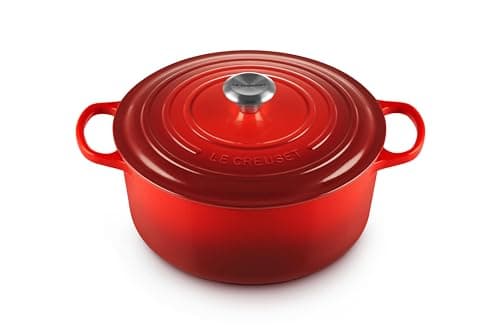
Le Creuset
Le Creuset 7.25 qt Round: the family-size classic
See price on Amazon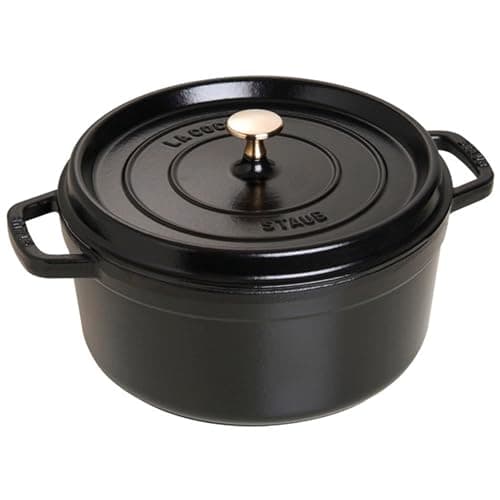
STAUB
Staub 5.5 qt Round Cocotte: spiked lid, 900°F base limit
See price on Amazon
- Le Creuset 7.25 qt Round: the family-size classic
- Capacity
- 7.25 qt
- Oven-safe to
- 500°F
- Induction
- Yes (all cooktops)
- Staub 5.5 qt Round Cocotte: spiked lid, 900°F base limit
- Capacity
- 5.5 qt
- Oven-safe to
- 900°F without lid, lid to 500°F
- Induction
- Yes
| Pick | Capacity | Oven-safe to | Induction | Price | Link |
|---|---|---|---|---|---|
| Le Creuset 7.25 qt Round: the family-size classic | 7.25 qt | 500°F | Yes (all cooktops) | - | Amazon |
| Staub 5.5 qt Round Cocotte: spiked lid, 900°F base limit | 5.5 qt | 900°F without lid, lid to 500°F | Yes | - | Amazon |
Facts are taken from each Amazon listing. Prices are checked daily and shown with their date.
Verdict
Pick a Dutch oven such as the Le Creuset 7.25 qt or Staub 5.5 qt if flavor and versatility come first and you are home while it cooks. Pick a slow cooker if you need meals that cook unattended all day; it costs less but cannot brown or reduce sauces on its own.
This page is for cooks choosing between an enameled Dutch oven and a slow cooker such as a Crock-Pot, and for anyone wondering where an electric pressure cooker like the Instant Pot fits. It compares browning, flavor, timing, energy use, capacity, cleanup and what else each pot can do. We do not list slow cookers, so the Dutch oven side uses two listed enameled pots, and the slow cooker side is described in general terms that apply to most models.
How each one cooks
A Dutch oven is a heavy pot, usually enameled cast iron, with a tight lid. You heat it on a burner to sear meat and soften aromatics, add liquid, cover it and finish the braise in a low oven or on a gentle burner. The thick iron holds heat and spreads it around the food, so the liquid stays at a steady, quiet simmer.
A slow cooker is an electric base with a heating element that warms a ceramic or metal insert. It holds food just below or around a simmer for many hours. Most models have low, high and keep-warm settings and run on their own, which is the whole point: load it in the morning and dinner is ready in the evening.
An electric pressure cooker like the Instant Pot is a third option. It cooks under pressure, so a stew that takes hours in a Dutch oven can be done in a fraction of the time, and most models have a saute mode for browning in the insert. The insert is usually thinner than cast iron, so browning large batches takes more care.
Side by side comparison
Times in the table are typical ranges for stews made with tough cuts. Exact times depend on the recipe, the cut and how full the pot is, so follow your recipe and check for tenderness.
Browning
- Enameled Dutch oven
- Sear directly in the pot
- Typical slow cooker
- Needs a separate pan unless it has a sear setting
Typical braise time
- Enameled Dutch oven
- About 2 to 4 hours in a low oven
- Typical slow cooker
- About 6 to 10 hours on low
Supervision
- Enameled Dutch oven
- Check now and then
- Typical slow cooker
- Can run unattended
Sauce reduction
- Enameled Dutch oven
- Easy: uncover and simmer
- Typical slow cooker
- Limited, the lid traps moisture
Heat source
- Enameled Dutch oven
- Stove and oven
- Typical slow cooker
- Its own electric base
Other uses
- Enameled Dutch oven
- Bread, frying, soups, roasting
- Typical slow cooker
- Mostly slow braises, soups and keeping food warm
Weight
- Enameled Dutch oven
- Heavy cast iron
- Typical slow cooker
- Lighter insert, bulky base
| Enameled Dutch oven | Typical slow cooker | |
|---|---|---|
| Browning | Sear directly in the pot | Needs a separate pan unless it has a sear setting |
| Typical braise time | About 2 to 4 hours in a low oven | About 6 to 10 hours on low |
| Supervision | Check now and then | Can run unattended |
| Sauce reduction | Easy: uncover and simmer | Limited, the lid traps moisture |
| Heat source | Stove and oven | Its own electric base |
| Other uses | Bread, frying, soups, roasting | Mostly slow braises, soups and keeping food warm |
| Weight | Heavy cast iron | Lighter insert, bulky base |
Browning and flavor
Flavor is the clearest difference. Searing meat until it is deeply browned, then cooking onions in the rendered fat and deglazing the brown bits with wine or stock, builds much of the savory depth in a braise. In a Dutch oven all of that happens in one pot, and the browned bits dissolve straight into the sauce.
A basic slow cooker cannot get hot enough to brown. You can sear in a skillet first and scrape everything into the cooker, which works well but adds a pan to wash. Slow cookers also lose very little moisture, so sauces often come out thinner. With a Dutch oven you can take the lid off for the last half hour to reduce and thicken the sauce.
Heavy enameled pots are also good at holding a steady low temperature in the oven. Le Creuset's listing describes tight-fitting lids designed to circulate steam and return moisture to the food, and Staub's describes lid spikes that drip juices back onto the food. See how to use a Dutch oven for the basic sear, deglaze and braise method.
Timing and energy use
A slow cooker wins on convenience. It is designed to be left alone for most of a day, it frees up the stove and oven, and it draws far less power than a full-size electric oven while it runs. If nobody is home between breakfast and dinner, that matters more than anything else on this page.
A Dutch oven braise is shorter but needs someone around. Heating a whole oven for three hours uses more energy than a slow cooker, though you can cut that by braising on the lowest steady burner setting instead. A Dutch oven can also go from stove to oven to table, so there is one pot to wash instead of a skillet plus an insert.
Note.Never leave a Dutch oven unattended on a burner for hours. Braise in the oven if you need to step away, and keep handles turned away from the edge of the stove.
Listed Dutch ovens for braising
If you decide on a Dutch oven, size matters more than brand. A 5.5 quart round feeds about four to six people, and a 7 quart pot handles larger batches. Our size guide and size picker tool can help. Both listed pots below are enameled cast iron and need no seasoning, per their listings.
Listed price
- Le Creuset Round 7.25 qt
- $356.51
- Staub Round Cocotte 5.5 qt
- $299.97
Interior
- Le Creuset Round 7.25 qt
- Light colored smooth enamel
- Staub Round Cocotte 5.5 qt
- Textured black matte enamel
Lid
- Le Creuset Round 7.25 qt
- Tight-fitting, circulates steam
- Staub Round Cocotte 5.5 qt
- Heavy lid with self-basting spikes
Cooktops
- Le Creuset Round 7.25 qt
- All cooktops
- Staub Round Cocotte 5.5 qt
- All stovetops including induction
Cleaning
- Le Creuset Round 7.25 qt
- Dishwasher safe
- Staub Round Cocotte 5.5 qt
- Dishwasher safe, hand washing recommended
| Le Creuset Round 7.25 qt | Staub Round Cocotte 5.5 qt | |
|---|---|---|
| Listed price | $356.51 | $299.97 |
| Interior | Light colored smooth enamel | Textured black matte enamel |
| Lid | Tight-fitting, circulates steam | Heavy lid with self-basting spikes |
| Cooktops | All cooktops | All stovetops including induction |
| Cleaning | Dishwasher safe | Dishwasher safe, hand washing recommended |
Which one should you buy
If counter and cabinet space is tight, a Dutch oven is the more versatile single pot. For alternatives that also braise, see Dutch oven alternatives and Dutch oven vs braiser.
- Choose a Dutch oven if you cook on weekends, care most about flavor, want to reduce sauces, and would also use the pot for bread, soups or frying.
- Choose a slow cooker if you need dinner ready when you walk in the door and you are fine searing in a skillet first or skipping browning.
- Choose a pressure cooker if speed matters more than anything and you want beans or stock in under an hour.
- Own both if you braise often: they cover different days of the week.
Frequently asked questions
Can I use a Dutch oven like a slow cooker? Yes. Cover it and braise in a low oven for several hours. Check the oven limit of the knob and lid first, using our oven temperature checker.
How do I convert a slow cooker recipe to a Dutch oven? Brown the meat in the pot, add a bit less liquid than the slow cooker recipe calls for since more evaporates, cover, and braise in a low oven until tender, usually a few hours. Check liquid now and then.
Dutch oven vs Crock-Pot: which tastes better? Most cooks find the Dutch oven version richer because of browning and sauce reduction. A Crock-Pot gets close if you sear in a skillet first.
Dutch oven vs Instant Pot? The Instant Pot is far faster and runs on its own, but its thinner insert browns less evenly. The Dutch oven is better for bread, frying and slow oven braises.
What you need for this
- See price on AmazonAmazon
Staub 5.5 qt Round Cocotte: spiked lid, 900°F base limit
From Best Dutch ovens for home cooks: enameled and stainless picks
- See price on AmazonAmazon
Le Creuset 7.25 qt Round: the family-size classic
From Best large Dutch ovens (7 quarts and up) for big batches
 See price on AmazonAmazon
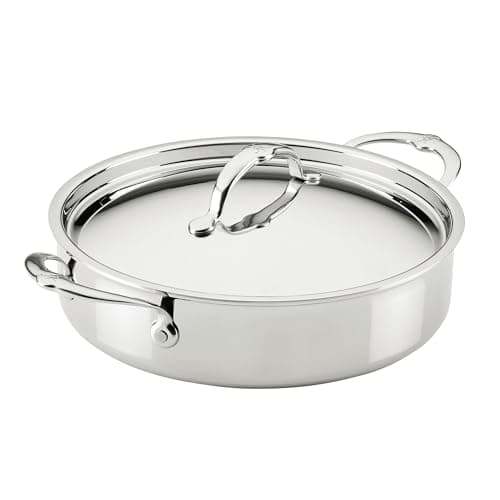
Hestan ProBond Luxe 6 qt Rondeau: big and dishwasher safe