Explainer
What to use instead of a Dutch oven
Published
Short answer
The best Dutch oven substitute is any heavy, oven-safe pot with a tight lid. A clad stainless stock pot or saute pan with a metal lid, a braiser, or a deep cast iron skillet covered with foil all work for braises and stews. For bread, an oven-safe pot or roaster turned upside down over the loaf can trap steam. The main things you lose are heat retention and a lid that seals as well.
Cookware for this job
All 6 picks compared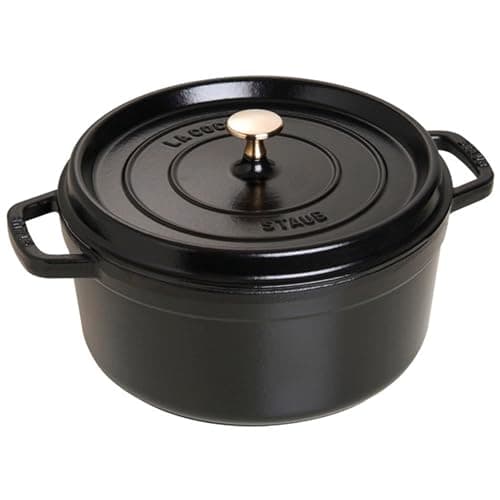
Staub 5.5 qt Round Cocotte: spiked lid, 900°F base limit
See price on AmazonSee it on Amazon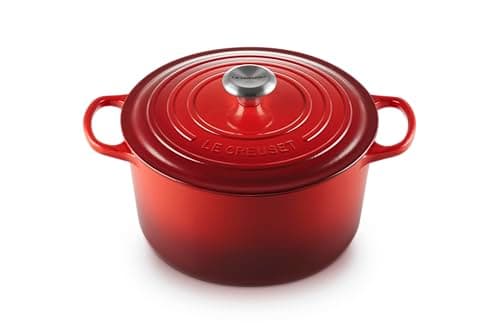
Le Creuset 6.5 qt Deep Round: extra depth for soups
See price on AmazonSee it on Amazon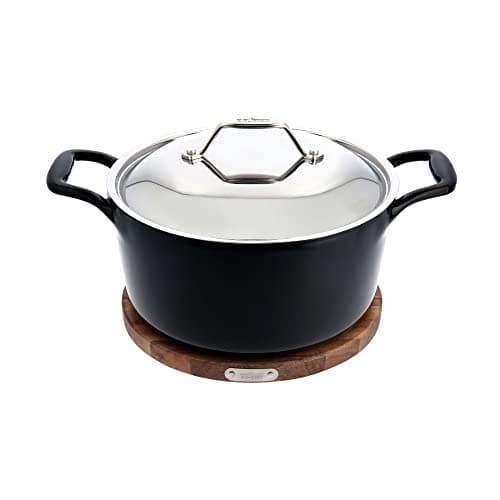
All-Clad 6 qt enameled: 650°F limit, trivet included
See price on AmazonSee it on Amazon
This page is for cooks who have a recipe that calls for a Dutch oven but do not own one, or who want to know whether something in the cupboard can do the job. It goes through the common stand-ins, what each does well and where it falls short, and how to check that a pot is safe in the oven. It also covers bread, since sourdough is one of the most common reasons people look for a substitute. Before any pot goes in the oven, check every part of it, including the handles and lid.
What a Dutch oven actually does
A Dutch oven is a heavy pot with thick walls and a tight lid that works on the stove and in the oven. The thick walls store heat, which keeps browning steady and holds a gentle simmer. The lid keeps moisture in, so long braises do not dry out. Being oven-safe lets you move from searing to slow cooking in one pot.
A substitute needs to cover as many of those jobs as possible: hold heat, keep a lid on, and go in the oven. Most alternatives do two of the three well. Read what is a Dutch oven for more on the design.
The best substitutes, ranked by how close they come
Pick the substitute that matches what your recipe needs most. If it starts with browning on the stove then moves to the oven, a braiser or clad stainless pot with a metal lid is the closest match.
Braiser (shallow cast iron pot with lid)
- Works well for
- Searing, short braises, chicken thighs
- Where it falls short
- Less depth for soups and big batches
Clad stainless stock pot with metal lid
- Works well for
- Soups, stews, stock, beans
- Where it falls short
- Holds less heat, browning is less forgiving
Clad stainless saute pan with lid
- Works well for
- Braises, smaller stews
- Where it falls short
- Shallow, smaller capacity
Deep cast iron skillet plus foil
- Works well for
- Oven braises, cobblers, cornbread
- Where it falls short
- Foil seals poorly, limited depth
Roasting pan covered with foil
- Works well for
- Large roasts, oven braises
- Where it falls short
- Poor on the stovetop, loose seal
Slow cooker
- Works well for
- Hands-off stews and braises
- Where it falls short
- Cannot sear, not for bread
| Substitute | Works well for | Where it falls short |
|---|---|---|
| Braiser (shallow cast iron pot with lid) | Searing, short braises, chicken thighs | Less depth for soups and big batches |
| Clad stainless stock pot with metal lid | Soups, stews, stock, beans | Holds less heat, browning is less forgiving |
| Clad stainless saute pan with lid | Braises, smaller stews | Shallow, smaller capacity |
| Deep cast iron skillet plus foil | Oven braises, cobblers, cornbread | Foil seals poorly, limited depth |
| Roasting pan covered with foil | Large roasts, oven braises | Poor on the stovetop, loose seal |
| Slow cooker | Hands-off stews and braises | Cannot sear, not for bread |
Stainless stock pots and saute pans
A fully clad stainless pot, where the aluminum or copper core runs up the walls, is the most common stand-in. It handles soups and stews well, works on any cooktop, and many lines are oven-safe at high temperatures when the lid is metal. All-Clad D3, D5 and Copper Core are rated to 600F on the maker's care page, and Made In stainless clad to 800F.
The tradeoff is heat retention. Stainless walls are thinner and hold less heat than cast iron, so meat browns less evenly if you crowd the pan, and you may need a lower oven temperature for slow braises. Brown in batches and keep the lid on. See Dutch oven vs stock pot for a closer comparison, and the stainless steel stock pot guide for picks.
Braisers and cast iron skillets
A braiser is essentially a short, wide Dutch oven, so it is the closest substitute for anything that is seared then braised in a modest amount of liquid. It is lighter and easier to store, though it holds less. Compare them in Dutch oven vs braiser.
A deep cast iron skillet holds heat as well as a Dutch oven and can go in the oven. Without a lid, cover it tightly with heavy foil, crimped around the rim. The seal is not as good, so check the liquid level during long cooks and add more if it drops.
Slow cookers and roasters
A slow cooker can replace a Dutch oven for many stews and braises if you brown the meat in a skillet first. It cannot sear, it cannot bake bread, and it keeps more liquid since little evaporates. Reduce the liquid in a Dutch oven recipe a little when moving it to a slow cooker. See Dutch oven vs slow cooker.
A roasting pan covered with foil works for large cuts in the oven but is awkward on the stove. A stainless roaster that spans two burners can handle a short sear. The roasting pan guide covers options.
Substitutes for baking bread
Bread needs steam held around the loaf for the first part of the bake. Without a Dutch oven, bake on a preheated stone, steel or heavy tray and cover the loaf with an upturned oven-safe pot or roasting pan. Or add steam with a tray of hot water on a lower rack. More detail is in do you need a Dutch oven for sourdough.
Check that your substitute is oven-safe
Every part of the pot must handle the oven temperature. The lowest-rated part sets the limit. Glass lids are a common weak spot: All-Clad glass lids are rated to 350F, Lodge to 400F, GreenPan Valencia Pro lids to 425F and Calphalon to 450F, all on the makers' pages. Silicone sleeves come off before the oven, and plastic or wood handles need the maker's figure.
If you are unsure about a pot, check the maker's care page or use the oven temperature checker.
Note.Never put a pot with plastic, wood or silicone parts in the oven unless the maker rates it for that temperature.
Frequently asked questions
Can I use a regular pot instead of a Dutch oven? Yes, if it is oven-safe with a tight lid. Brown in smaller batches since thinner pots hold less heat, and watch the liquid level.
Can I use a slow cooker instead of a Dutch oven? For stews and braises, yes. Brown the meat separately first and use a little less liquid. It will not work for bread.
What can I use instead of a Dutch oven for bread? Cover the loaf on a hot stone or tray with an upturned oven-safe pot, or add steam with a tray of hot water.
Is a braiser a good Dutch oven substitute? It is the closest match for sear-then-braise recipes, with less room for soups and big batches.
What you need for this
- See price on AmazonAmazon
Staub 5.5 qt Round Cocotte: spiked lid, 900°F base limit
From Best Dutch ovens for home cooks: enameled and stainless picks
 See price on AmazonAmazon
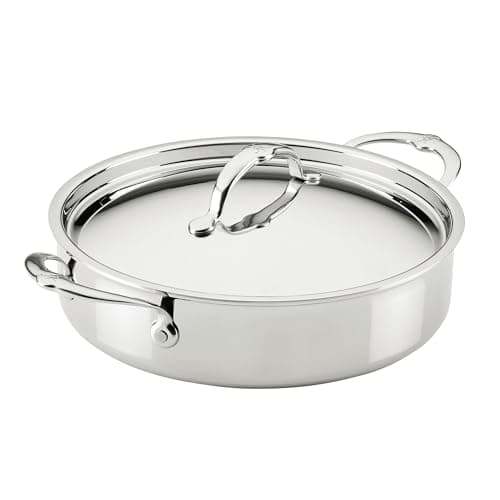
Hestan ProBond Luxe 6 qt Rondeau: big and dishwasher safe
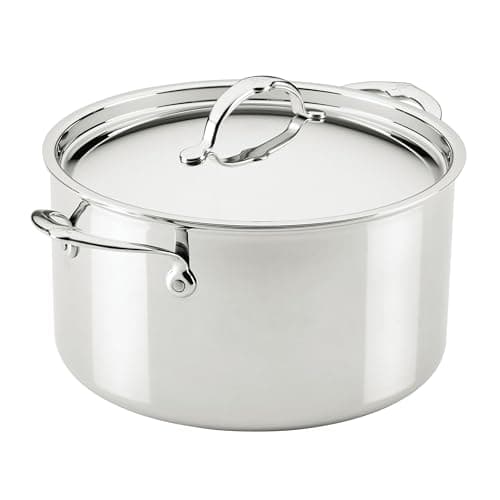 See price on AmazonAmazon
Hestan ProBond Luxe 12 qt: dishwasher safe, 600°F
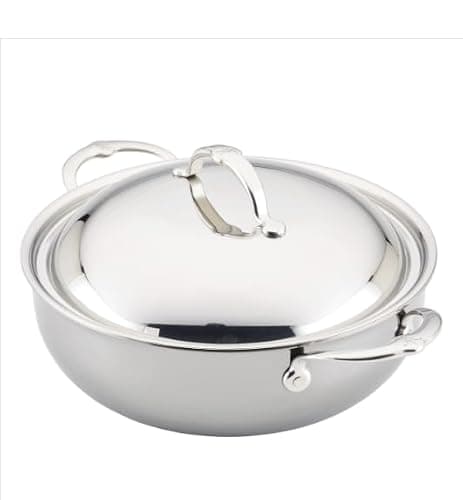 See price on AmazonAmazon
Hestan ProBond Luxe 5 qt: 600°F, sealed rims
From Best stainless steel Dutch ovens with no enamel to chip