Comparison
Dutch oven vs braiser: which shape do you need
Published
Short answer
A Dutch oven is deep, so it holds soups, stews, stock, bread and anything that needs a lot of liquid. A braiser is wide and shallow, so it gives more floor for searing and suits braises where the meat sits in a little liquid and the top browns. If you can own only one, a 5.5 qt Dutch oven covers more jobs. Add a braiser if you often sear meat in batches or make shallow braises and skillet meals.
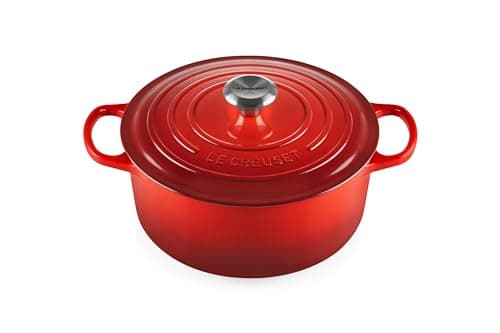
Le Creuset
Le Creuset 5.5 qt Round: light enamel, 500°F oven limit
See price on Amazon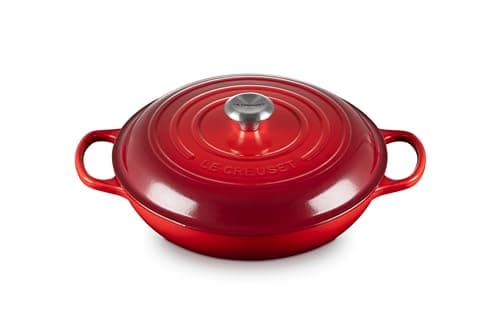
Le Creuset
Le Creuset Signature Braiser 3.5 qt: the classic
See price on Amazon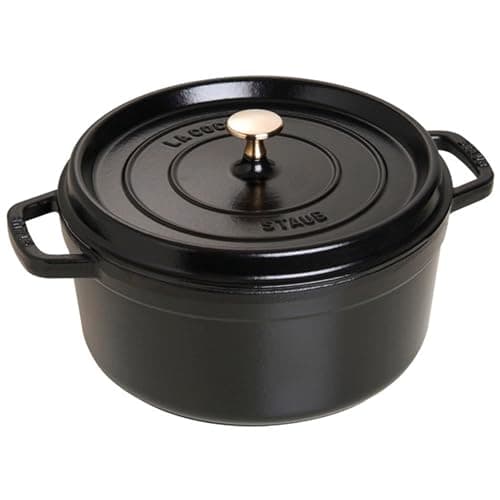
STAUB
Staub 5.5 qt Round Cocotte: spiked lid, 900°F base limit
See price on Amazon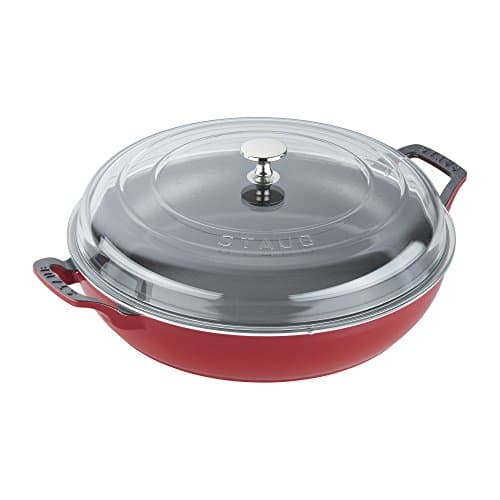
STAUB
Staub 3.5 qt Braiser with Glass Lid: 500°F, all stovetops
See price on Amazon
- Le Creuset 5.5 qt Round: light enamel, 500°F oven limit
- Material
- Enameled cast iron
- Capacity
- 5.5 qt
- Oven-safe to
- 500°F
- Induction
- Yes (all cooktops)
- Le Creuset Signature Braiser 3.5 qt: the classic
- Material
- Enameled cast iron
- Capacity
- 3.5 qt
- Oven-safe to
- Not stated
- Induction
- Not stated
- Staub 5.5 qt Round Cocotte: spiked lid, 900°F base limit
- Material
- Enameled cast iron
- Capacity
- 5.5 qt
- Oven-safe to
- 900°F without lid, lid to 500°F
- Induction
- Yes
- Staub 3.5 qt Braiser with Glass Lid: 500°F, all stovetops
- Material
- Enameled cast iron
- Capacity
- 3.5 qt
- Oven-safe to
- 500°F
- Induction
- All stovetops per listing
| Pick | Material | Capacity | Oven-safe to | Induction | Price | Link |
|---|---|---|---|---|---|---|
| Le Creuset 5.5 qt Round: light enamel, 500°F oven limit | Enameled cast iron | 5.5 qt | 500°F | Yes (all cooktops) | - | Amazon |
| Le Creuset Signature Braiser 3.5 qt: the classic | Enameled cast iron | 3.5 qt | Not stated | Not stated | - | Amazon |
| Staub 5.5 qt Round Cocotte: spiked lid, 900°F base limit | Enameled cast iron | 5.5 qt | 900°F without lid, lid to 500°F | Yes | - | Amazon |
| Staub 3.5 qt Braiser with Glass Lid: 500°F, all stovetops | Enameled cast iron | 3.5 qt | 500°F | All stovetops per listing | - | Amazon |
Facts are taken from each Amazon listing. Prices are checked daily and shown with their date.
Verdict
Buy a 5.5 qt Dutch oven like the Le Creuset or Staub round if you want one pot for soups, stews and bread. Add a 3.5 qt braiser if you sear and braise often; the Staub braiser costs about half as much as the Le Creuset Signature.
This page is for home cooks who already like enameled cast iron and are deciding between a classic Dutch oven and a braiser, or whether they need both. It explains how the two shapes differ, which dishes each does better, and how the sizes compare. Examples come from Le Creuset and Staub, the two brands people most often compare, using only facts from the current listings.
The core difference: depth vs floor space
Both pots are usually enameled cast iron with two loop handles and a heavy lid. The difference is shape. A Dutch oven has tall sides, so most of its volume is height. A braiser has low sides and a wide base, so most of its volume is floor. Two pots of similar quarts can cook very differently because of that.
Floor space matters most when browning. Meat needs room so steam can escape. In a narrow pot you sear in more batches, or the pieces crowd and steam instead of brown. A braiser lets you lay out more pieces at once. Depth matters most for liquid. Soups, stocks, beans and deep frying need height to hold liquid without boiling over. Le Creuset's listing for its 5.5 qt round notes that tall sides and added depth contain splatters and reduce boil overs.
If you are new to the pot itself, start with what is a Dutch oven.
Side by side: the listed pots
The table compares the two most common family sizes from each brand: a 5.5 qt round Dutch oven and a 3.5 qt braiser. All facts come from the listings. Where a listing does not say something, the table says so.
Le Creuset Round Dutch Oven
- Shape
- Round, tall sides
- Capacity
- 5.5 qt
- Interior
- Light colored smooth enamel
- Lid
- Tight-fitting, returns moisture
- Price at listing
- $299.98
Staub Round Cocotte
- Shape
- Round, tall sides
- Capacity
- 5.5 qt
- Interior
- Black matte enamel
- Lid
- Heavy, with self-basting spikes
- Price at listing
- $299.97
Le Creuset Signature Braiser
- Shape
- Wide and shallow
- Capacity
- 3.5 qt
- Interior
- Light colored smooth enamel
- Lid
- Tight-fitting, returns moisture
- Price at listing
- $399.95
Staub Braiser
- Shape
- Wide and shallow
- Capacity
- 3.5 qt
- Interior
- Black matte enamel
- Lid
- Glass
- Price at listing
- $199.95
| Pot | Shape | Capacity | Interior | Lid | Price at listing |
|---|---|---|---|---|---|
| Le Creuset Round Dutch Oven | Round, tall sides | 5.5 qt | Light colored smooth enamel | Tight-fitting, returns moisture | $299.98 |
| Staub Round Cocotte | Round, tall sides | 5.5 qt | Black matte enamel | Heavy, with self-basting spikes | $299.97 |
| Le Creuset Signature Braiser | Wide and shallow | 3.5 qt | Light colored smooth enamel | Tight-fitting, returns moisture | $399.95 |
| Staub Braiser | Wide and shallow | 3.5 qt | Black matte enamel | Glass | $199.95 |
What a Dutch oven does better
A Dutch oven is the more versatile pot. Its depth suits dishes with a lot of liquid and dishes that need an enclosed space. It is the standard pot for no-knead and sourdough bread, because the deep lidded pot traps steam around the loaf. See Dutch oven for sourdough and the best Dutch ovens for bread.
It is also the better pot for whole chickens, pot roast with vegetables piled around it, chili and large batches. For deep frying, the tall sides give room for oil to bubble up safely, which a shallow braiser does not.
- Soups, stews and chili
- Stock and beans
- Bread baked under a lid
- Whole chicken or a tall pot roast
- Deep frying
- Pasta and boiling jobs in a pinch
What a braiser does better
A braiser is built for the classic braise: brown the meat, add a little liquid, cover and cook low until tender. Because the meat sits in a shallow layer of liquid, the tops can brown in the oven with the lid off near the end. Short ribs, chicken thighs, osso buco and braised vegetables all suit it.
The wide floor also makes a braiser useful as a heavy skillet with a lid. It handles shallow fries, risotto, paella style rice, shakshuka and one-pan pasta well, and the low sides make it easy to get a spatula in. It can also go to the table as a serving dish. For more models, see the best braisers.
- Short ribs and bone-in chicken pieces
- Searing meat in fewer batches
- Shallow braises with browned tops
- Risotto, rice dishes and one-pan pasta
- Shakshuka and egg dishes
- Serving straight from the stove to the table
Sizes: how quarts compare
Do not compare a braiser and a Dutch oven by quarts alone. A 3.5 qt braiser holds less liquid than a 5.5 qt Dutch oven, but its floor can be as wide or wider, so it can brown about as much meat at once. Le Creuset also lists a 5 qt Signature braiser for larger households.
For a Dutch oven, a common rule is about 1 quart per person, with 5.5 qt a good fit for three or four people. Our Dutch oven size picker suggests a size by headcount and dish, and what size Dutch oven covers the reasoning. If you cook for a crowd, see the best large Dutch ovens.
Oven use and lids
Both shapes go in the oven, and for enameled cast iron the knob or lid is what limits the temperature. Staub rates its cocottes with metal knobs to 500°F. On Le Creuset, older pots with a black phenolic knob are rated to 390°F; check the knob on your pot. The listed Staub braiser has a glass lid, and glass lids generally carry a lower limit than the pot, so check the maker figure for the lid before high heat baking.
Our oven temperature limit checker works out the limit from the parts, and cookware oven temperature limits explains why the lowest rated part decides.
Note.Cast iron gets hot all over, including the loop handles and the knob. Use dry oven mitts on both handles when moving a full pot.
Do you need both?
Most kitchens should start with a Dutch oven. It does more jobs, and bread and soup are hard to make well in a braiser. A braiser is the best second pot for people who braise often, cook for two to four and want a wide pan with a lid. If you already own a large, heavy skillet and a lid that fits, it covers part of a braiser's job.
If you are choosing between brands as well as shapes, read Staub vs Le Creuset. If neither pot fits your budget or stove, Dutch oven alternatives covers other options.
Frequently asked questions
Can a braiser replace a Dutch oven? For braises, sears and skillet meals, yes. For soup, stock, deep frying and bread, no. The shallow sides do not hold enough liquid or enclose a loaf well.
Can I bake bread in a braiser? Some cooks bake a low, round loaf in a braiser with the lid on, but a Dutch oven or a bread oven is the more common choice because it gives the loaf room to rise.
What size braiser should I buy? A 3.5 qt braiser suits two to four people. Larger households may want the 5 qt size.
Is a braiser the same as a saute pan? They overlap. A braiser is usually heavy enameled cast iron with two loop handles, while a saute pan is usually a clad metal pan with a long handle and straight sides.
What you need for this
- See price on AmazonAmazon
Staub 5.5 qt Round Cocotte: spiked lid, 900°F base limit
From Best Dutch ovens for home cooks: enameled and stainless picks
 See price on AmazonAmazon
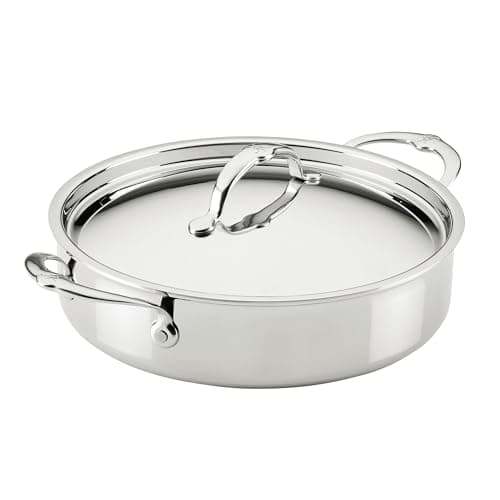
Hestan ProBond Luxe 6 qt Rondeau: big and dishwasher safe
 See price on AmazonAmazon
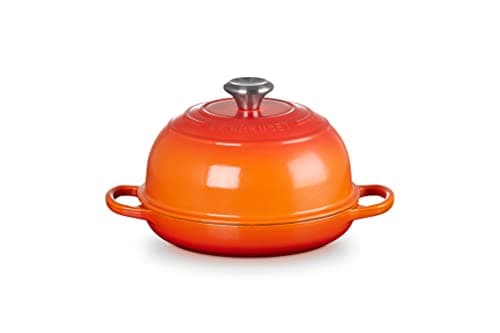
Le Creuset Round Bread Oven 9.5 in: low base for boules
 See price on AmazonAmazon
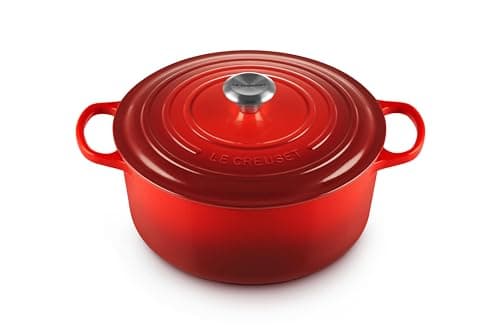
Le Creuset 7.25 qt Round: the family-size classic
From Best large Dutch ovens (7 quarts and up) for big batches