Fix
Why your enameled Dutch oven is turning brown
Published
Short answer
Brown staining inside an enameled Dutch oven is usually a thin film of polymerized oil and browned food that bonds to the enamel during searing and high-heat baking. It is cosmetic. Simmering water with baking soda, then scrubbing with a non-scratch pad, lifts most of it; a cleaner made for enameled cast iron handles tougher stains. Avoid steel wool and harsh abrasives, which dull the enamel.
Cookware for this job
All 6 picks compared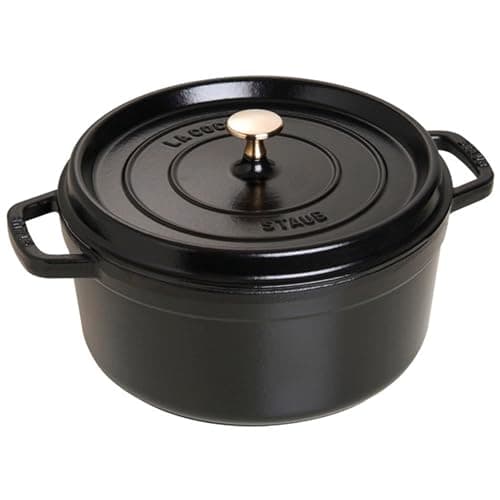
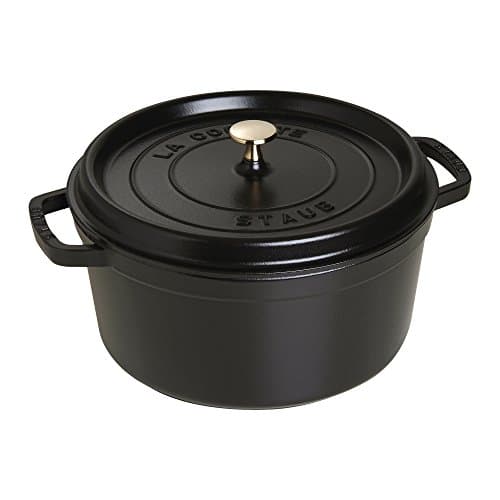
Staub 5.5 qt Round Cocotte: spiked lid, 900°F base limit
See price on AmazonSee it on Amazon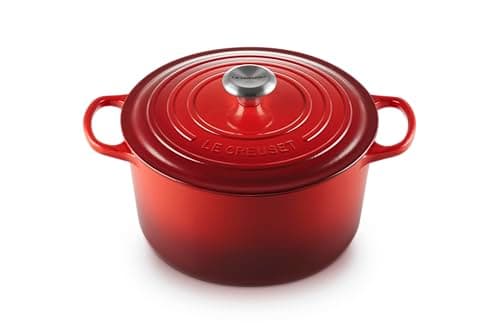
Le Creuset 6.5 qt Deep Round: extra depth for soups
See price on AmazonSee it on Amazon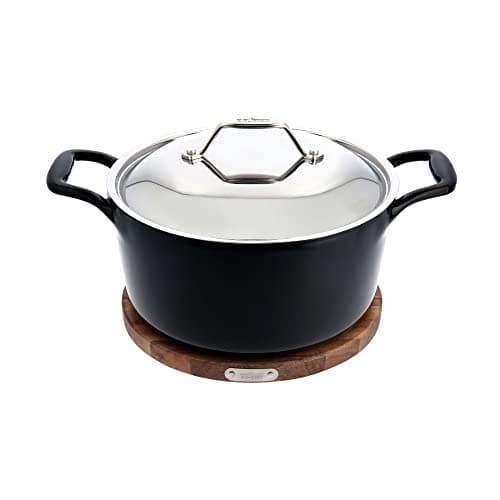
All-Clad 6 qt enameled: 650°F limit, trivet included
See price on AmazonSee it on Amazon
A light-colored enamel interior starts out bright and slowly turns beige, then brown, with a sticky or rough feel in places. This page is for owners of Le Creuset, Staub, Lodge and other enameled Dutch ovens who want to know why it happens, whether the pot is damaged, and how to clean it safely. We cover the main causes, a step by step cleaning method from gentlest to strongest, what not to use, how to tell staining from real damage, and habits that slow the browning down.
Why enamel turns brown
The interior of an enameled Dutch oven is a layer of glass fused to cast iron. It does not absorb food, but oil and food can bond to its surface. When oil is heated, especially past its smoke point, it polymerizes into a hard, sticky film, the same process that builds seasoning on cast iron. Over many uses that film builds up into a brown or amber layer.
Searing meat on high heat, frying, baking bread at high temperatures and letting sauces scorch on the bottom all speed this up. Strongly colored foods such as tomato paste, turmeric, coffee and red wine can also tint the surface. Light-colored interiors, like Le Creuset's sand enamel, show stains clearly; Staub's dark matte interior hides them.
Polymerized oil
- Looks like
- Even brown or amber film, slightly sticky
- First fix
- Baking soda simmer
Burnt-on food
- Looks like
- Dark patches on the base
- First fix
- Soak, then baking soda paste
Food pigments
- Looks like
- Orange or yellow tint
- First fix
- Baking soda paste or enamel cleaner
Metal marks
- Looks like
- Gray lines from utensils
- First fix
- Enamel cleaner
Worn enamel
- Looks like
- Rough, dull area that stays dark
- First fix
- Not a stain; see below
| Cause | Looks like | First fix |
|---|---|---|
| Polymerized oil | Even brown or amber film, slightly sticky | Baking soda simmer |
| Burnt-on food | Dark patches on the base | Soak, then baking soda paste |
| Food pigments | Orange or yellow tint | Baking soda paste or enamel cleaner |
| Metal marks | Gray lines from utensils | Enamel cleaner |
| Worn enamel | Rough, dull area that stays dark | Not a stain; see below |
How to clean brown stains, gentlest first
Most brown film comes off with steps 3 and 4. It may take more than one round for heavy buildup. Our how to clean Le Creuset page covers routine cleaning for the whole pot.
- 1
Let the pot cool fully. Fill it with warm water and a little dish soap and soak for an hour or more to loosen residue.
- 2
Wash with a non-scratch sponge or nylon brush.
- 3
For remaining stains, fill the pot with water to cover the stains, add about 2 tablespoons of baking soda, bring it to a gentle simmer for 10 to 15 minutes, then let it cool and scrub.
- 4
For stubborn spots, make a thick paste of baking soda and water, spread it on, leave it for 15 to 30 minutes, then scrub with a non-scratch pad.
- 5
If stains remain, use a cleaner made for enameled cast iron. Le Creuset sells one, and many owners use oxalic acid cleansers such as Bar Keepers Friend. Follow the label and check the maker's care page for your pot.
- 6
Rinse thoroughly and dry before storing.
Note.Do not put a hot enameled pot into cold water, and do not heat it empty on high. Sudden temperature changes are a common cause of enamel chips and cracks.
What not to use on enamel
Enamel is hard but brittle, and its glossy surface can be dulled by aggressive cleaning. A dull, roughened surface then stains faster, which makes the problem worse over time.
- Steel wool or metal scouring pads
- Harsh abrasive powders not intended for enamel
- Oven cleaner sprays
- Metal tools to scrape stuck food
- Soaking in strong bleach for long periods
Stain or damage: how to tell
A stain sits on top of the enamel. The surface still feels smooth to the fingertip, and the color lightens with cleaning. Damage is in the enamel itself. A chip shows a sharp edge and dark iron or gray underneath. Crazing is a network of fine cracks. Worn enamel feels rough or matte where the rest is glossy and stays dark however much you clean it.
Chips that expose bare iron on the cooking surface can rust and may flake further. Our chipped enamel Dutch oven page covers what to do. Rust on the exposed iron rim, which is normal on many enameled pots, is covered in how to restore a rusty cast iron Dutch oven.
How to slow the browning
Some browning is normal and does not affect cooking. Many cooks treat a light patina as a sign of a well-used pot. If you want to keep the interior lighter, these habits help.
- Heat the pot gradually on medium; enameled cast iron rarely needs high heat.
- Use enough oil for searing but wipe out excess before it burns on.
- Deglaze after searing so fond does not scorch.
- Clean after each use, before residue has a chance to bake on in the next session.
- Use wooden or silicone tools.
- Consider a dark interior pot, such as Staub, for frequent high-heat bread baking.
Le Creuset and Staub interiors compared
Le Creuset's light sand-colored enamel makes it easy to judge browning and fond while you cook, but it shows every stain. Staub's black matte enamel is slightly textured, hides stains and is designed to tolerate high-heat searing, but you cannot see the fond as clearly. Neither is wrong; it is a trade-off between visibility and looks over time. Our Staub vs Le Creuset comparison covers the differences, and our best Le Creuset Dutch ovens and best Staub guides list models in each style.
If you mostly bake bread, also check your knob's oven rating. See cookware oven temperature limits.
Frequently asked questions
Is it safe to cook in a stained enameled Dutch oven? Stains on intact enamel are cosmetic and do not affect cooking. Chips that expose bare iron on the cooking surface are a different issue; see the maker's care page.
Can I use Bar Keepers Friend on Le Creuset? Many owners use oxalic acid cleansers on enameled cast iron, and Le Creuset sells its own enamel cleaner. Use a soft sponge, rinse well and check the maker's care page.
Does bleach remove stains from enamel? A short, diluted soak can lighten stains, but makers generally advise against strong or prolonged bleach use. Baking soda and an enamel cleaner are safer first steps.
Why is the inside of my Dutch oven sticky? A sticky film is polymerized oil. The baking soda simmer and paste method above removes it.
What you need for this
- See price on AmazonAmazon
Staub 5.5 qt Round Cocotte: spiked lid, 900°F base limit
From Best Dutch ovens for home cooks: enameled and stainless picks
 See price on AmazonAmazon
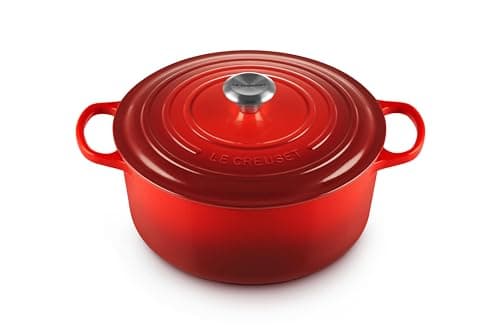
Le Creuset 7.25 qt Round: the family-size classic
From Best Le Creuset Dutch ovens: which shape and size to buy
 See price on AmazonAmazon
Staub 7 qt Round: spiked lid, serves 7-8