Fix
Why food sticks to stainless steel pans and how to stop it
Published
Short answer
Food sticks to stainless steel mostly because the pan is not hot enough when the food goes in, there is too little fat, the food is wet or fridge cold, or you try to move it before a crust forms. Preheat the empty pan on medium, add oil until it shimmers, pat food dry, and wait until it releases on its own. A clean pan also matters, since old residue gives food something to grab.
Cookware for this job
All 7 picks compared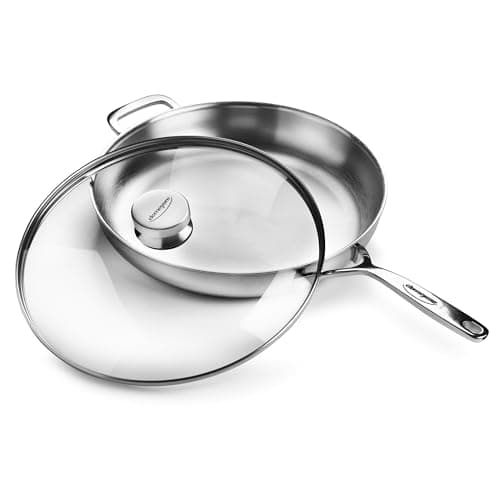
Demeyere 5-Plus 12.5 in with Glass Lid: 3 mm 5-ply
See price on AmazonSee it on Amazon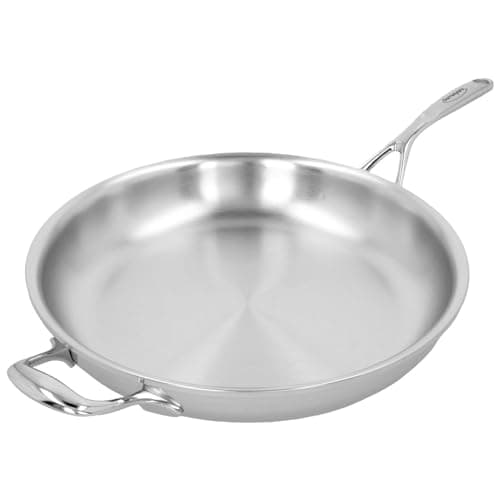
Demeyere Atlantis Proline 12.6 in: 7-ply, helper handle
See price on AmazonSee it on Amazon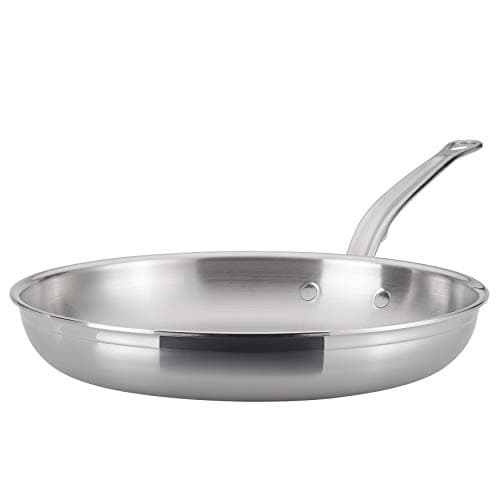
Hestan ProBond Forged 12.5 in: dishwasher safe
See price on AmazonSee it on Amazon
Stainless steel is the workhorse of a serious kitchen, but the first few eggs and chicken breasts often weld themselves to the pan. This page is for home cooks with a clad stainless pan, from All-Clad, Made In or another maker, who want to know why food sticks and how to stop it. It walks through the common causes in the order worth checking, the fix for each, and when sticking is actually useful because it builds fond for a pan sauce.
Why stainless steel sticks in the first place
Stainless steel has no coating. Its surface looks smooth but has tiny irregularities, and proteins in meat, fish and eggs bond to bare metal when they meet it at the wrong temperature. When the pan and fat are hot enough, the surface of the food sears quickly and moisture turning to steam helps lift it. When the pan is too cool, the proteins have time to grab the metal before a crust forms.
That is why technique matters more with stainless than with nonstick. The good news is that the same habits that stop sticking also give you better browning. If you are new to stainless, our page on how to cook with stainless steel pans covers the basics.
Common causes and fixes
Pan not preheated
- What you see
- Food sticks right away, no sizzle
- Fix
- Preheat the empty pan on medium for a few minutes before adding fat
Too little fat
- What you see
- Dry spots stick, edges brown unevenly
- Fix
- Use a thin layer covering the whole cooking area
Fat not hot
- What you see
- Oil sits still and thick
- Fix
- Wait until the oil shimmers and flows easily
Wet food
- What you see
- Spatter, steaming, pale surface
- Fix
- Pat meat and fish dry with paper towels
Fridge cold food
- What you see
- Pan temperature drops sharply
- Fix
- Let thin cuts sit out briefly, and cook in smaller batches
Crowded pan
- What you see
- Steaming, gray meat, sticking
- Fix
- Leave space between pieces and cook in batches
Moving food too soon
- What you see
- Crust tears and stays on the pan
- Fix
- Wait until the food releases on its own
Heat too high
- What you see
- Smoking oil, burnt residue that sticks
- Fix
- Lower to medium or medium-high
Residue on the pan
- What you see
- Sticking in the same spots each time
- Fix
- Deep clean with a stainless cleanser
| Cause | What you see | Fix |
|---|---|---|
| Pan not preheated | Food sticks right away, no sizzle | Preheat the empty pan on medium for a few minutes before adding fat |
| Too little fat | Dry spots stick, edges brown unevenly | Use a thin layer covering the whole cooking area |
| Fat not hot | Oil sits still and thick | Wait until the oil shimmers and flows easily |
| Wet food | Spatter, steaming, pale surface | Pat meat and fish dry with paper towels |
| Fridge cold food | Pan temperature drops sharply | Let thin cuts sit out briefly, and cook in smaller batches |
| Crowded pan | Steaming, gray meat, sticking | Leave space between pieces and cook in batches |
| Moving food too soon | Crust tears and stays on the pan | Wait until the food releases on its own |
| Heat too high | Smoking oil, burnt residue that sticks | Lower to medium or medium-high |
| Residue on the pan | Sticking in the same spots each time | Deep clean with a stainless cleanser |
How to cook in stainless without sticking
Preheat times depend on the pan and the burner. Thicker 5-ply pans take a little longer than tri-ply, and gas responds faster than an electric coil. Our how to preheat pans page gives a guide for each material.
- 1
Start with a clean, dry pan. Any leftover film or water spots give food something to grab.
- 2
Set the pan on a burner that matches its base and heat it empty on medium for a few minutes.
- 3
Check the heat with a few drops of water. If they sizzle and vanish, it is not hot enough yet. When drops bead up and skate across the pan, it is ready. This is often called the water droplet or Leidenfrost test.
- 4
Wipe out the water, add a thin layer of oil and let it heat until it shimmers.
- 5
Pat the food dry and lay it in, moving away from you to avoid spatter.
- 6
Leave it alone. When the underside has browned, the food will release with a gentle nudge.
- 7
Turn it once and finish cooking. Lower the heat if the fond starts to darken too fast.
Note.Do not heat an empty stainless pan on high for a long time. It can discolor the steel and, in extreme cases, warp a thin pan. Medium heat and a few minutes is enough.
Eggs, fish and delicate foods
Eggs are the hardest test for stainless steel because they cook at a lower temperature than a steak sear, and egg proteins bond quickly to bare metal. Preheat the pan fully, then lower the heat slightly, use a generous amount of butter or oil, and let the egg set before moving it. Even with good technique, many cooks keep a nonstick or well seasoned carbon steel pan for eggs.
Fish skin sticks for the same reason as meat, plus skin holds a lot of moisture. Dry the skin well, score it if it curls, press the fillet down for the first few seconds so the skin makes full contact, and wait for it to release. A thin, flexible fish spatula helps slide under the crust without tearing it.
If you want one pan for eggs and one for searing, see the best carbon steel pan guide or our comparison of stainless steel vs nonstick.
When sticking is good: fond and pan sauces
The browned bits left after searing are called fond, and they are full of flavor. A little sticking is how stainless builds it, and it is one of the main reasons cooks choose stainless over nonstick. After you remove the meat, pour off excess fat, add a splash of wine, stock or water, and scrape with a wooden spoon. The fond dissolves into a quick pan sauce.
Deglazing also makes cleanup easier, since it lifts most of the residue while the pan is still hot. If the fond is black rather than brown, it will taste bitter. Lower the heat next time. For pans with burnt-on residue, see how to clean a burnt stainless steel pan.
Does the pan itself make a difference?
A heavier clad pan with an aluminum or copper core spreads heat more evenly than thin stainless or a pan with only a disc on the bottom. Even heat means fewer cool spots where food sticks and fewer hot spots where it burns. That said, technique matters more than brand. A well preheated budget tri-ply pan sticks less than a premium pan used cold.
Stainless steel does not need seasoning the way carbon steel does, though some cooks build a light film for eggs. See do you need to season stainless steel for the pros and cons. For pan picks, our best stainless steel frying pan guide and our explainer on what clad cookware is cover construction.
Frequently asked questions
Why does my stainless steel pan stick even with oil? Usually the pan was not preheated before the oil went in, or the food went in before the oil was hot. Preheat the empty pan first, then add oil and wait for it to shimmer.
Should I use high heat on stainless steel? Medium to medium-high is enough for most cooking with clad stainless. Very high heat burns oil and fond, which then sticks.
Can a stainless pan become permanently sticky? Built-up residue can make a pan stick more. A deep clean with a stainless cleanser usually restores the surface.
Why does food release after a while? As the surface of the food browns and dries, it stops bonding to the metal. Waiting for that release is the simplest way to stop tearing.
What you need for this
- See price on AmazonAmazon
Demeyere 5-Plus 12.5 in with Glass Lid: 3 mm 5-ply
 See price on AmazonAmazon
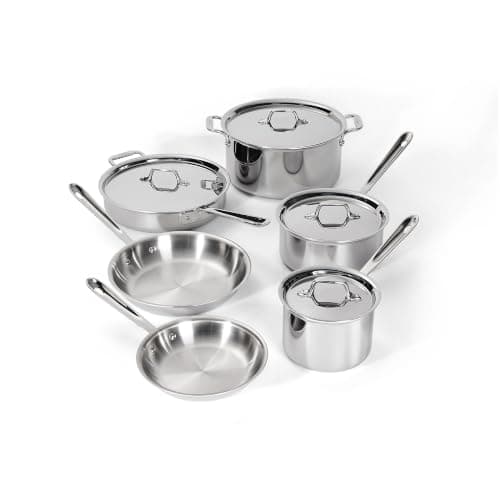
All-Clad D3 10-Piece: bare tri-ply stainless
From Best stainless steel cookware sets, compared piece by piece
 See price on AmazonAmazon
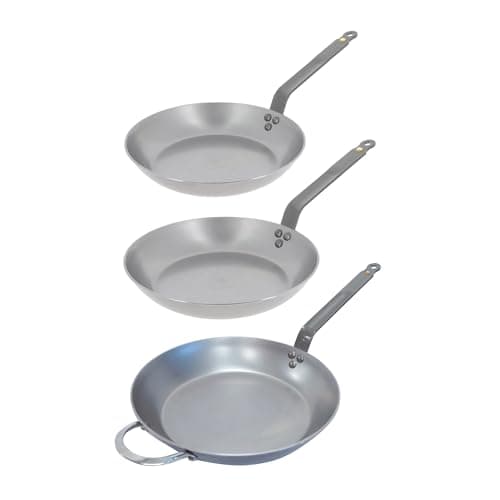
de Buyer Mineral B 3-Pan Set: best carbon steel