Comparison
Carbon steel vs cast iron pans
Published
Short answer
Carbon steel is thinner and lighter than cast iron, so it heats up and responds to burner changes faster and is easier to toss and flip. Cast iron is thicker and heavier, so it heats slowly but holds heat longer, which helps with searing thick steaks and baking cornbread. Both need seasoning and care to avoid rust. Choose carbon steel for quick, high heat stovetop cooking and cast iron for heat retention and oven work.
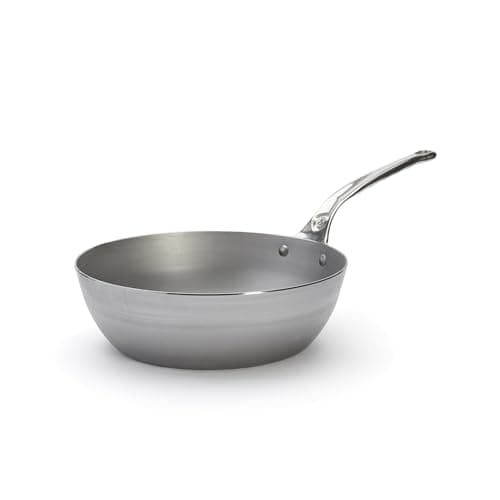
de Buyer
de Buyer Mineral B Pro Country Pan 11 in: high sides
See price on Amazon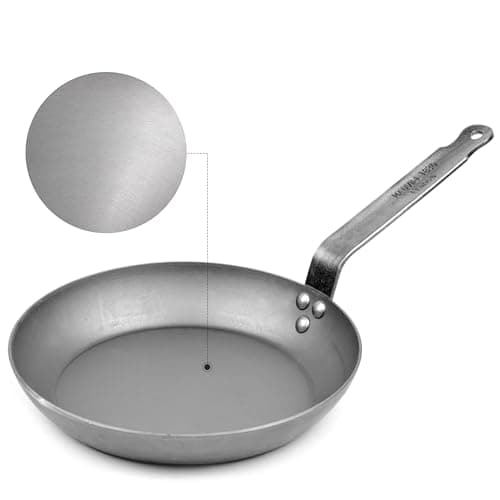
Mauviel
Mauviel M'Steel 14.2 in Frying Pan: extra large
See price on Amazon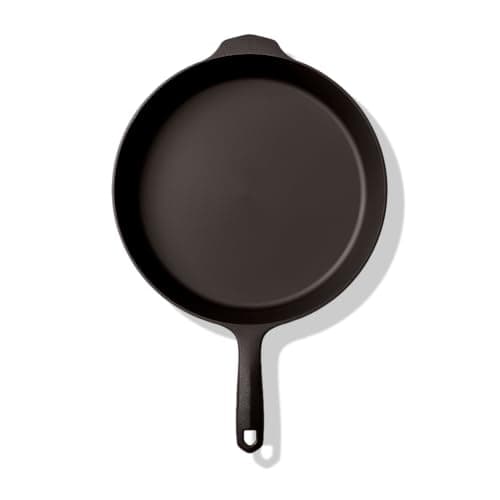
Field Company
Field Company No.10 Cast Iron: 6 lb, made in USA
See price on Amazon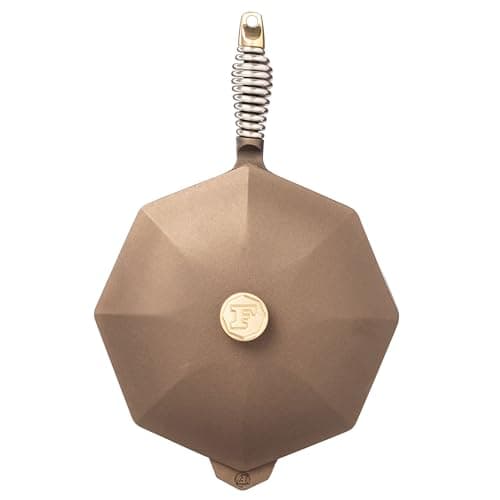
FINEX
FINEX 12 in Cast Iron with Lid: thick base and walls
See price on Amazon
- de Buyer Mineral B Pro Country Pan 11 in: high sides
- Size
- 11 in (7.7 in cooking surface)
- Material
- Carbon steel
- Oven-safe to
- 400°F for up to 10 min
- Weight
- Not stated
- Mauviel M'Steel 14.2 in Frying Pan: extra large
- Size
- 14.2 in
- Material
- Extra thick black carbon steel
- Oven-safe to
- Not stated
- Weight
- Not stated
- Field Company No.10 Cast Iron: 6 lb, made in USA
- Size
- 11.6 in (9.75 in cooking surface)
- Material
- Cast iron, pre-seasoned
- Oven-safe to
- Not stated
- Weight
- 6 lb
- FINEX 12 in Cast Iron with Lid: thick base and walls
- Size
- 12 in
- Material
- Cast iron, pre-seasoned with flaxseed oil
- Oven-safe to
- Not stated
- Weight
- Not stated
| Pick | Size | Material | Oven-safe to | Weight | Price | Link |
|---|---|---|---|---|---|---|
| de Buyer Mineral B Pro Country Pan 11 in: high sides | 11 in (7.7 in cooking surface) | Carbon steel | 400°F for up to 10 min | Not stated | - | Amazon |
| Mauviel M'Steel 14.2 in Frying Pan: extra large | 14.2 in | Extra thick black carbon steel | Not stated | Not stated | - | Amazon |
| Field Company No.10 Cast Iron: 6 lb, made in USA | 11.6 in (9.75 in cooking surface) | Cast iron, pre-seasoned | Not stated | 6 lb | - | Amazon |
| FINEX 12 in Cast Iron with Lid: thick base and walls | 12 in | Cast iron, pre-seasoned with flaxseed oil | Not stated | Not stated | - | Amazon |
Facts are taken from each Amazon listing. Prices are checked daily and shown with their date.
Verdict
Buy the de Buyer Mineral B Pro or Mauviel M'Steel if you want a lighter, fast-heating pan for stir fries, eggs and quick sears. Buy the Field No.10 for a lighter, pre-seasoned cast iron skillet, or the FINEX 12 inch if you want a lid for braising and steaming.
This page is for cooks deciding between a carbon steel pan and a cast iron skillet, or wondering whether they need both. It covers weight, how fast each heats, seasoning, care, oven use and which dishes suit each, using two carbon steel pans from de Buyer and Mauviel and two cast iron skillets from Field Company and FINEX as examples. Product facts come only from the current listings.
Same iron, different build
Carbon steel and cast iron are both mostly iron with some carbon. The difference is how they are made. Cast iron is poured into a mold, which makes a thick, heavy pan. Carbon steel is formed from sheet metal, which makes a thinner, lighter pan with a smoother surface.
That thickness drives almost every practical difference. A thin pan heats fast and cools fast. A thick pan heats slowly and holds heat. Both build a seasoning layer of polymerized oil that makes them release food better over time, and both rust if left wet. For more on each, see what is carbon steel cookware and enameled vs bare cast iron.
The listed pans side by side
All four work on induction or all cooktops according to their listings. For more models, see the best carbon steel pans and the best premium cast iron skillets.
de Buyer Mineral B Pro Country Fry Pan
- Material
- Carbon steel
- Size
- 11 inch, 7.7 inch cooking surface
- Handle
- Cast stainless, riveted
- Seasoning out of the box
- Beeswax coating; season before use
- Price at listing
- $170.00
Mauviel M'Steel Black Carbon Frying Pan
- Material
- Carbon steel
- Size
- 14.2 inch
- Handle
- Iron
- Seasoning out of the box
- Beeswax coating; season before use
- Price at listing
- $170.00
Field Company No.10 Skillet
- Material
- Cast iron
- Size
- 11 5/8 inch, 9 3/4 inch cooking surface, 6 lb
- Handle
- Cast iron
- Seasoning out of the box
- Pre-seasoned, three coats of grapeseed oil
- Price at listing
- $215.00
FINEX 12-Inch Skillet with Lid
- Material
- Cast iron
- Size
- 12 inch
- Handle
- Not stated in listing
- Seasoning out of the box
- Pre-seasoned with flaxseed oil
- Price at listing
- $299.95
| Pan | Material | Size | Handle | Seasoning out of the box | Price at listing |
|---|---|---|---|---|---|
| de Buyer Mineral B Pro Country Fry Pan | Carbon steel | 11 inch, 7.7 inch cooking surface | Cast stainless, riveted | Beeswax coating; season before use | $170.00 |
| Mauviel M'Steel Black Carbon Frying Pan | Carbon steel | 14.2 inch | Iron | Beeswax coating; season before use | $170.00 |
| Field Company No.10 Skillet | Cast iron | 11 5/8 inch, 9 3/4 inch cooking surface, 6 lb | Cast iron | Pre-seasoned, three coats of grapeseed oil | $215.00 |
| FINEX 12-Inch Skillet with Lid | Cast iron | 12 inch | Not stated in listing | Pre-seasoned with flaxseed oil | $299.95 |
Weight and handling
Weight is the biggest everyday difference. The Field No.10 listing gives 6 pounds for an 11 5/8 inch skillet, and Field markets its pans as lighter than most cast iron. Carbon steel pans of a similar size are usually noticeably lighter, and the de Buyer listing describes its pan as lighter than cast iron.
A lighter pan is easier to lift with one hand, toss vegetables in, and move from stove to oven. If you have wrist trouble or want to flip food with a flick, carbon steel is easier to live with. A heavy cast iron skillet is stable on the burner and less likely to tip, and its weight is part of why it holds heat.
Heat-up time and heat retention
The de Buyer listing calls carbon steel more heat responsive than cast iron, and Mauviel's listing says black carbon steel rises in temperature very quickly. That makes carbon steel good for stir frying, sauteing and cooking where you raise and lower the heat often.
Cast iron takes longer to heat and should be preheated gradually so it heats evenly. Once hot, it stays hot. When you add a cold steak, the pan temperature drops less, so you get a deeper crust. That stored heat also suits cornbread, Dutch babies and pan pizza in the oven. For preheating tips for both, see how to preheat pans.
| Material | Braise | Sear | Sauce | Oven | Eggs |
|---|---|---|---|---|---|
| Enameled cast iron | good | fair | fair | good | poor |
| Clad stainless | fair | good | good | good | poor |
| Carbon steel | poor | good | poor | good | good |
| Bare cast iron | fair | good | poor | good | fair |
| Nonstick | poor | poor | fair | fair | good |
good fair poor
Stir fry and quick saute
- Better choice
- Carbon steel
- Why
- Heats fast, responds to burner changes, light to toss
Eggs and crepes
- Better choice
- Carbon steel
- Why
- Smooth surface releases well once seasoned
Thick steaks and chops
- Better choice
- Cast iron
- Why
- Stored heat holds temperature for a deep crust
Cornbread and pan pizza
- Better choice
- Cast iron
- Why
- Holds heat in the oven and browns the bottom
Shallow frying
- Better choice
- Either
- Why
- Both handle high heat; cast iron holds oil temperature longer
Tomato sauces and long simmers
- Better choice
- Neither ideal
- Why
- Acid can strip seasoning; use enamel or stainless
| Dish | Better choice | Why |
|---|---|---|
| Stir fry and quick saute | Carbon steel | Heats fast, responds to burner changes, light to toss |
| Eggs and crepes | Carbon steel | Smooth surface releases well once seasoned |
| Thick steaks and chops | Cast iron | Stored heat holds temperature for a deep crust |
| Cornbread and pan pizza | Cast iron | Holds heat in the oven and browns the bottom |
| Shallow frying | Either | Both handle high heat; cast iron holds oil temperature longer |
| Tomato sauces and long simmers | Neither ideal | Acid can strip seasoning; use enamel or stainless |
Seasoning and care
Carbon steel pans usually arrive bare with a protective coating. Both the de Buyer and Mauviel listings describe a beeswax coating that you wash off before seasoning. The de Buyer listing gives the method: wash with hot soapy water, dry, heat to medium high, apply a thin layer of high smoke point oil, heat until smoking, then cool and drain. Mauviel's listing says the pan builds a natural nonstick property and darkens over time. See how to season a carbon steel pan.
Most premium cast iron arrives pre-seasoned. Field's listing says three coats of organic grapeseed oil, and FINEX's says flaxseed oil. You can cook right away, and the seasoning improves with use.
Care is similar for both. Hand wash only, dry right away, and wipe on a thin coat of oil if the pan looks dry. Avoid soaking and the dishwasher. If rust appears, scrub it off and re-season. See carbon steel pan rust and how to cook with a carbon steel pan.
Note.Thin, even coats of oil are the key to seasoning. Thick coats turn sticky and can flake.
Oven use and stoves
An all-metal pan of either type has no practical oven limit in a home oven, since there is no coating to fail. Bare cast iron is one piece of iron. Handles are the thing to check: de Buyer's standard Mineral B pans with an epoxy-coated handle are rated to 400°F for under 10 minutes on de Buyer's page, while the listed Mineral B Pro uses a cast stainless handle. Check the maker's care page for the exact figure on any pan with a coated, wooden or silicone handle. Our oven temperature limit checker does the math by part.
Both materials are magnetic and work on induction. Very heavy cast iron can scratch a glass top if dragged, so lift rather than slide. See cookware for glass top stoves. On gas, both are excellent; see the best cookware for gas stoves.
Which one should you buy?
Choose carbon steel if you cook fast on the stovetop, want a lighter pan, and like the idea of a restaurant-style pan that seasons into a slick surface. Choose cast iron if you sear thick cuts, bake in your skillet, or want a pan that arrives pre-seasoned and ready.
Many cooks end up owning one of each. If you are also weighing stainless, read carbon steel vs stainless steel.
Frequently asked questions
Is carbon steel better than cast iron? Neither is better overall. Carbon steel is lighter and heats faster; cast iron holds heat longer. Pick based on the dishes you cook most.
Does carbon steel need seasoning like cast iron? Yes. Most carbon steel pans arrive with a beeswax or oil coating and need seasoning before first use. Most premium cast iron arrives pre-seasoned.
Can carbon steel and cast iron go in the dishwasher? No. Both should be hand washed and dried right away to protect the seasoning and prevent rust.
Which is better for eggs? A well seasoned carbon steel pan, because its smooth surface releases eggs easily once the seasoning builds up.
What you need for this
 See price on AmazonAmazon
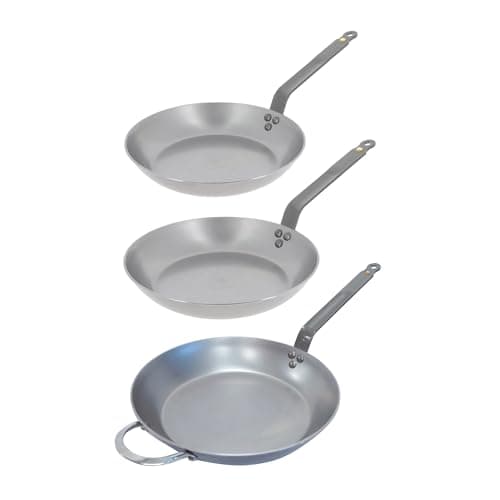
de Buyer Mineral B 3-Pan Set: best carbon steel
 See price on AmazonAmazon
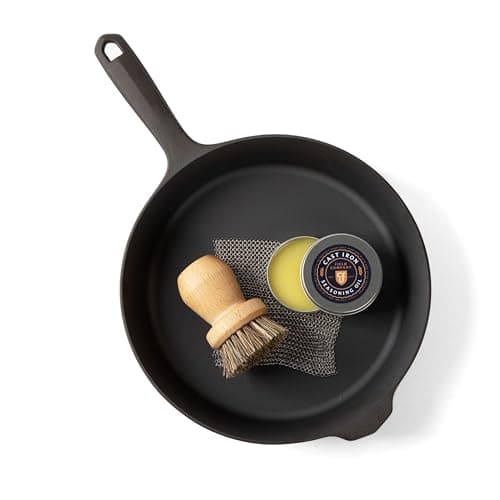
Field 10.25 in Starter Set: 4.3 lb with care kit
From Best premium cast iron skillets: machined and enameled picks
 See price on AmazonAmazon
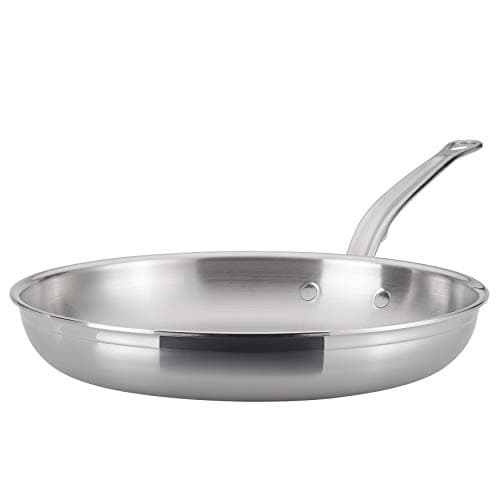
Hestan ProBond Forged 12.5 in: clad, dishwasher safe